
TPO and PVC Commercial Roofing
A New Roof With Seams Welded Shut.
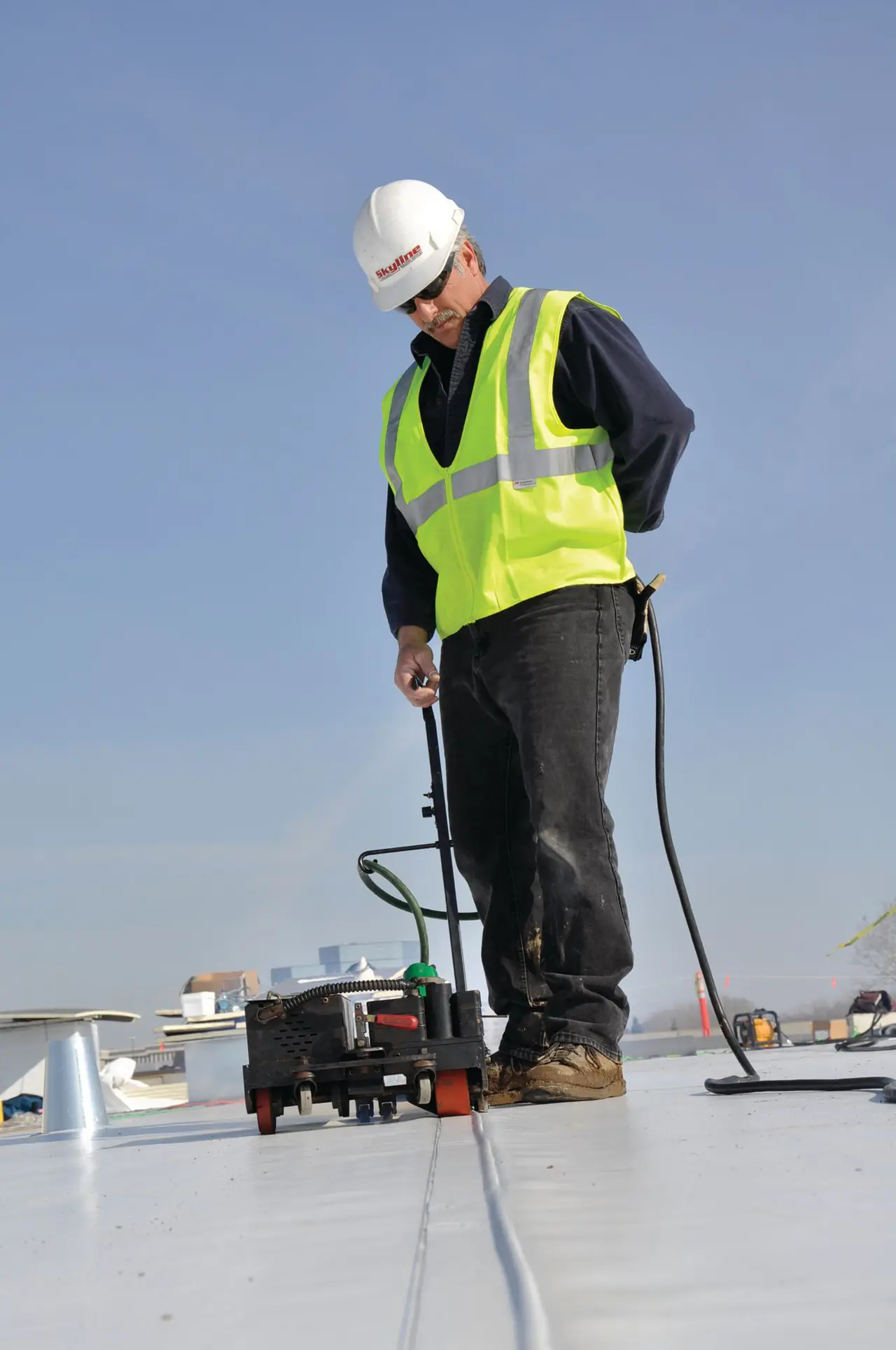
When a flat roof is past restoring, a single-ply TPO or PVC membrane gives you a new, watertight roof. The seams are heat-welded into one continuous sheet, so the joints are as strong as the membrane itself.
Free Roof Inspection
Tell Us About Your Building
No obligation. You get photos and a written proposal with your options.
Choosing a membrane
TPO vs. PVC: Which Fits Your Building
TPO and PVC look alike once installed, and both are welded with hot air. The difference is in what they stand up to.
| Question | TPO | PVC |
|---|---|---|
| What it is | Thermoplastic polyolefin, a flexible white membrane with heat-welded seams | Polyvinyl chloride, a flexible membrane with heat-welded seams |
| Common uses | Warehouses, offices, retail centers, schools, and churches | Restaurants, food processing, and buildings with grease, oil, or chemical exposure on the roof |
| Strengths | Widely used, economical, and reflective | Strong resistance to grease, oils, and many chemicals |
| Things to know | Can be damaged by grease from kitchen exhaust fans | Usually costs more than TPO |
For most general commercial buildings, TPO is the practical choice. If your roof has kitchen exhaust, process vents, or anything else that drips oils or chemicals, PVC is worth the difference. We'll recommend one based on what is actually on your roof.
Honest answers
When Single-Ply Beats a Coating
We install coatings, too, so we have no reason to push one over the other. A coating is often the better value on a roof that is still sound. A new single-ply roof is the better choice when:
- Large areas of the insulation are wet, so the roof has to come off anyway.
- The existing membrane is shrinking, splitting, or failing across the roof.
- The building needs more insulation, which is added under the new membrane.
- The roof holds standing water that can't be corrected with a coating project.
- You're planning a long hold on the building and want a new roof system from the deck up.
If your roof is still a good candidate for a coating, our commercial roof coatings page explains that option.
How the work is done
Installation and Tear-Off Process
A single-ply roof is only as good as its installation, and most of the craftsmanship is in the details and the welds.
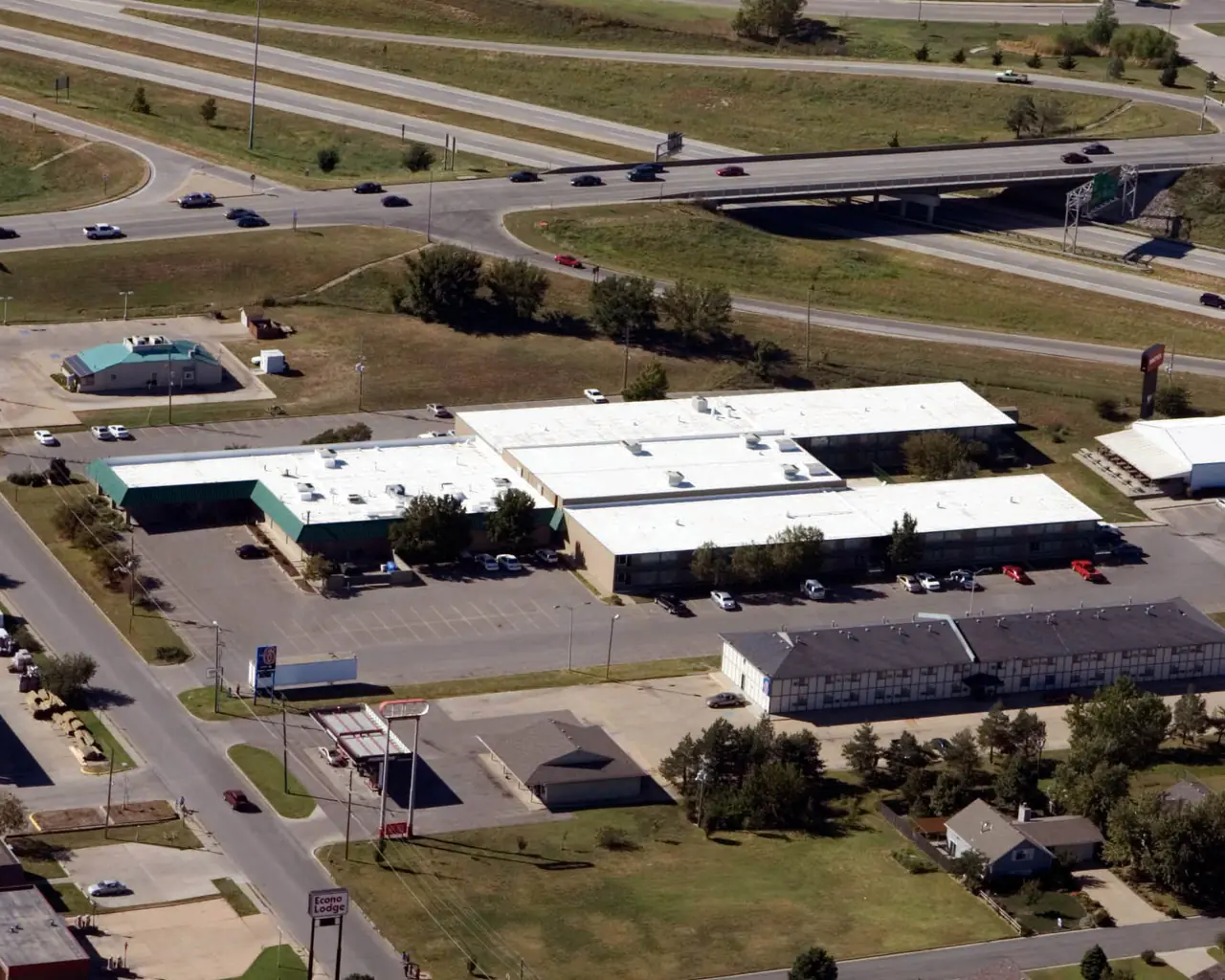
Every roof is different, so the exact steps depend on what the inspection finds. Where the existing roof has to come off, it is torn off. Where the old roof is dry and sound, a recover may be possible instead, and the new roof goes over it.
Inspect the roof
We walk the roof, check its condition, and talk with you about what you need from it.
Put it in writing
You get a written proposal with your options and the scope of the work.
Install it the right way
We follow the manufacturer's recommended installation guides and industry best practices on every job.
Existing roofs
Repairing Existing TPO and PVC Roofs
Not every single-ply roof with a leak needs replacing. Many leaks on TPO and PVC roofs come from a handful of causes: a seam that wasn't fully welded, flashing that has pulled loose at a wall or curb, a puncture from a dropped tool, or damage around a rooftop unit.
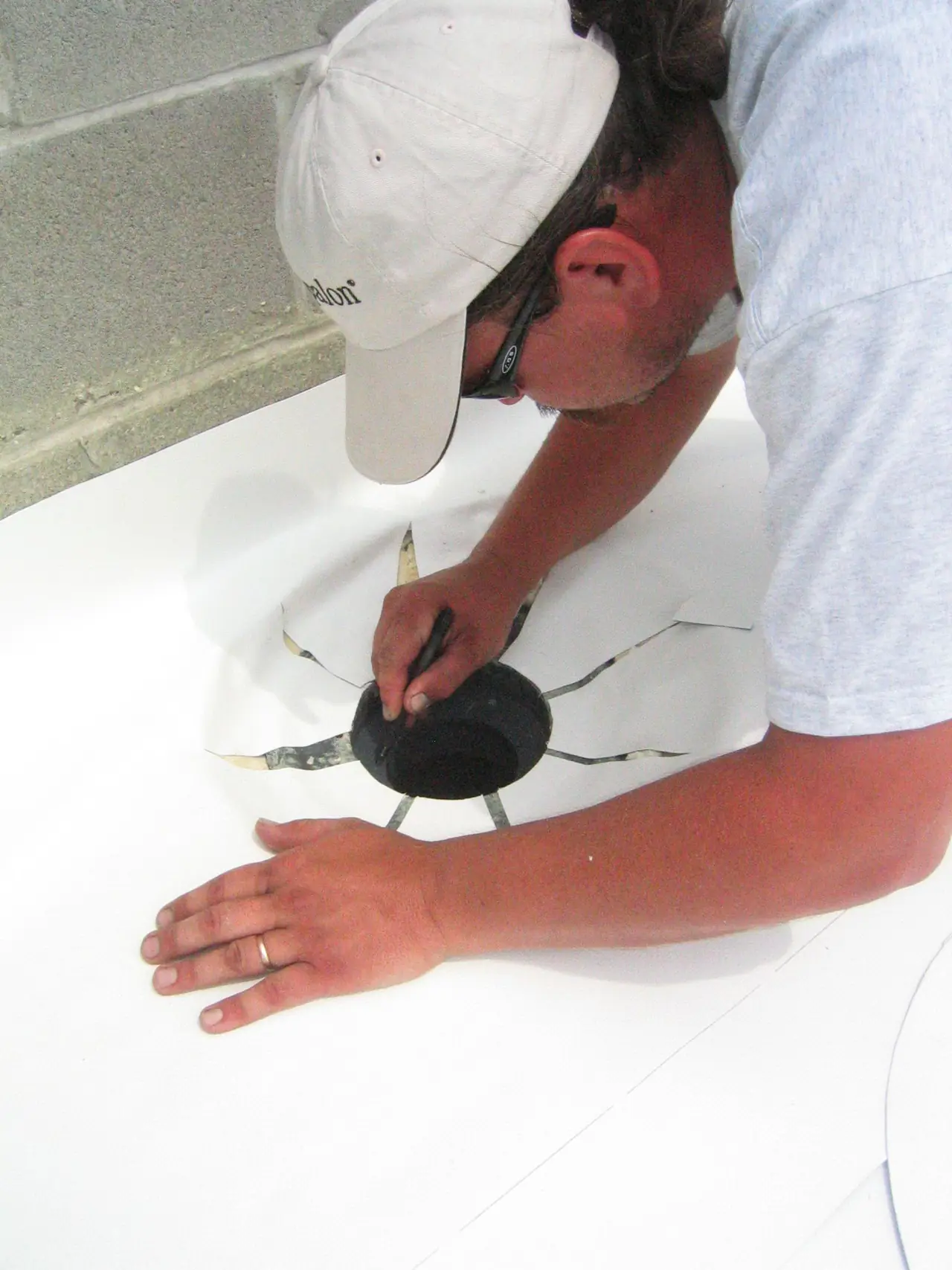
Because these membranes are welded, a proper repair isn't a dab of sealant. The area is cleaned, a patch of new membrane is heat-welded over it, and the weld is checked. Done right, the repair becomes part of the roof.
Older membranes can become hard to weld, and we'll tell you if a roof has reached that point. For leaks on other kinds of flat roofs, see our commercial roof repair page.
Questions
Single-Ply FAQs
How long does a TPO or PVC roof last?
There's no single number. Service life depends on the membrane thickness, the quality of the installation (especially the seam welds), how much sun and foot traffic the roof gets, and how well it is maintained. A roof with properly welded seams and regular inspections will outlast one that is installed carelessly and left alone. We'll talk through what to expect for your building when we prepare your proposal.
What is the difference between TPO and PVC?
Both are flexible single-ply membranes with heat-welded seams. TPO (thermoplastic polyolefin) is the more common and usually the more economical choice for general commercial buildings. PVC (polyvinyl chloride) holds up better to grease, oils, and many chemicals, so it is often chosen for restaurants and buildings with exhaust or process discharge on the roof.
Can a single-ply roof be installed over my existing roof?
Sometimes. If the building has only one existing roof and it is dry, a new single-ply roof can often be installed over it with new insulation board, which is called a recover. If there are already two roofs, or the existing insulation is wet, the old roof has to come off first.
Can you repair a TPO or PVC roof that someone else installed?
Yes. We repair single-ply roofs regardless of who installed them. New membrane is heat-welded to the existing roof, so the material and the age of the roof matter more than the original installer. We'll tell you if the membrane is too far gone to weld to reliably.
Service area
Where We Offer TPO & PVC Roofing
We're based in Fort Plain, NY, and serve commercial buildings within about 100 miles, and farther when a job calls for it.
Related services
- Commercial Roof ReplacementA complete tear-off and new roof when restoration is not the right fit.
- Commercial Roof RepairFind the real source of a leak and fix it, so you stop paying for the same repair twice.
- Spray Foam RoofingA seamless layer of foam that follows every curb and edge, then a protective coating.
Your next step
Request a Free Inspection
We'll inspect your roof, check it for moisture, and tell you whether it needs a new TPO or PVC membrane, a repair, or a coating. You'll get photos and a written proposal within 24 to 72 hours of the inspection.
Call or text (518) 612-0001. We respond within 24 to 48 hours.