
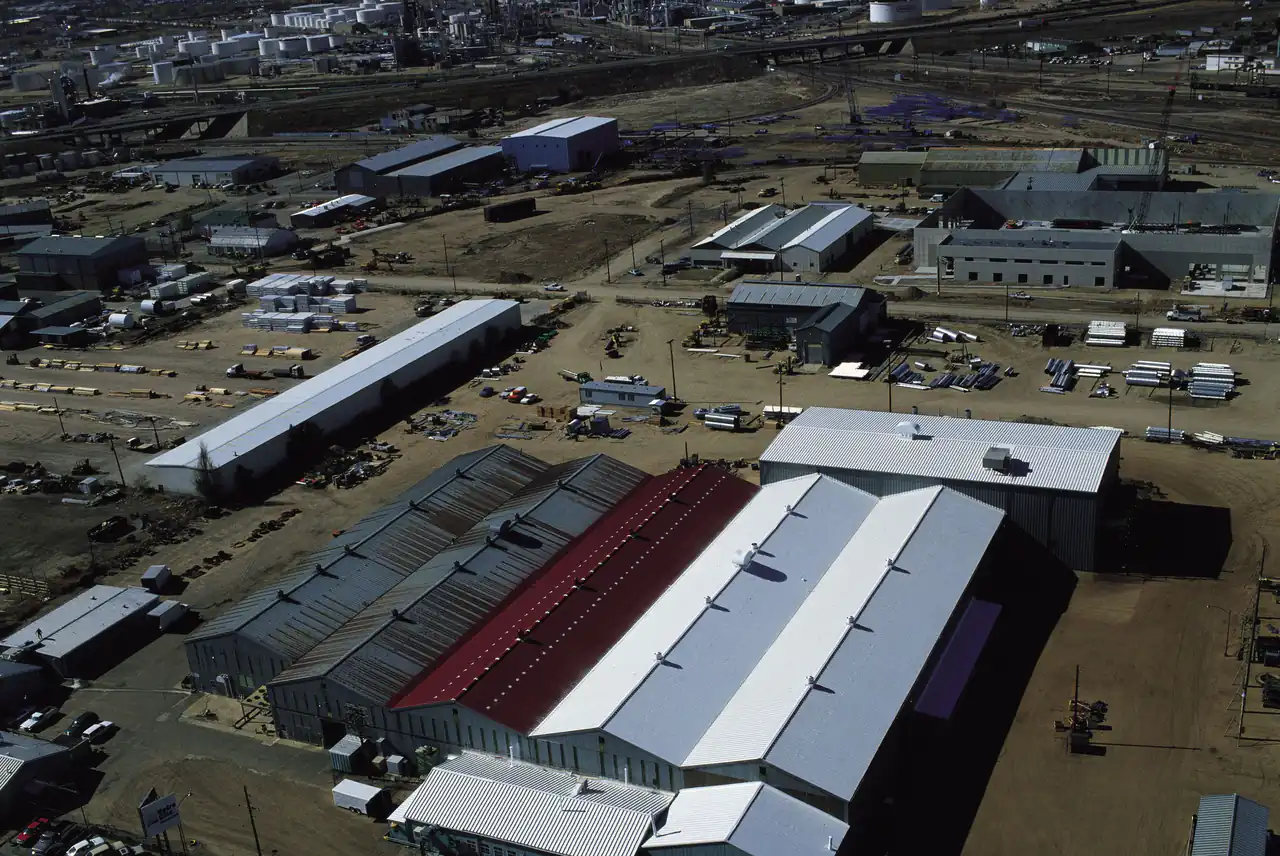
Commercial Roof Replacement and New Construction Roofing
When the Roof Is Done, Start Over From the Deck Up.
Some roofs can't be saved by a repair or a coating. When that is the case, we tear the old roof off, fix what we find underneath, and install a new roof system built for the building and for Upstate weather.
Free Roof Inspection
Tell Us About Your Building
No obligation. You get photos and a written proposal with your options.
Honest answers
When Replacement Is the Right Call
Replacement is the biggest roofing decision an owner makes, so it should rest on evidence. These are the conditions that point to it.
- Moisture checks show that a large share of the insulation is wet.
- The deck is soft, sagging, or rusted, and has to be repaired from above.
- The membrane is failing across the roof, not in a few places.
- The roof already has two roofs on it, so codes don't allow another recover.
- You're adding rooftop equipment, insulation, or drainage that the old roof can't accommodate.
If none of those apply, a repair or a roof restoration is often the better value, and we'll say so.
The four-layer roof
On a recent shingle roof tear-off, the owner told Ephraim what the last contractor had told him: there was one old layer on the roof, so the new roof went right over it. When the crew opened it up, they found four layers.
Every layer added weight, hid whatever damage was under it, and made the next roof harder to install properly. Flat commercial roofs get stacked the same way, and the problems are the same: an owner who isn't told what is really on the roof ends up paying for it later.
We find out what is really on your roof and show you, with photos, before we recommend anything.
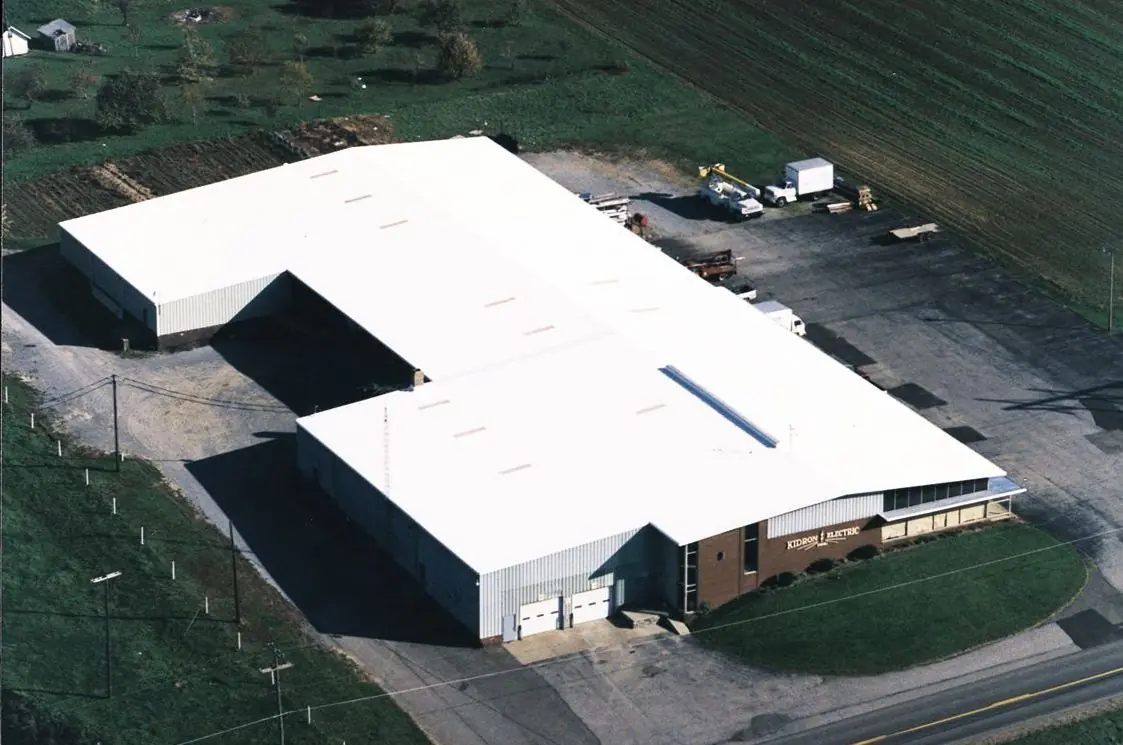
Under the old roof
Tear-Off: What We Find Under Old Roofs
A tear-off is the one chance to see the whole roof deck and fix it properly. These are the things we most often find once the old layers are off:
- Insulation that has been holding water for years and has lost most of its value.
- Steel deck with rust where water sat on it, and wood deck with soft or rotted areas.
- Extra roof layers that were never mentioned to the owner.
- Old penetrations and abandoned equipment openings that were roofed over instead of closed properly.
Anything that affects the price or schedule is photographed and discussed with you before it is fixed, so there are no surprises on the final invoice.
What goes back on
Roof Systems We Install
The right new roof depends on the building, the roof shape, what is on the roof, and how long you plan to own the building.
TPO and PVC single-ply
Flexible membranes with heat-welded seams. TPO suits most commercial buildings, and PVC suits roofs with grease or chemical exposure.
TPO and PVC roofingSpray foam roofing
A seamless layer of insulating foam with a protective coating, well suited to roofs with many penetrations or odd shapes.
Spray foam roofingCoatings for long-term care
A new roof can be coated later in its life, when it starts to wear, which can delay the next tear-off.
Commercial roof coatingsNew buildings and additions
New Construction Roofing
We install roofs on new commercial buildings and additions. On new construction, the roof has to fit a schedule set by everyone else on the job, so we coordinate closely with the general contractor or the owner on when the deck is ready, when materials arrive, and when the building needs to be dried in.
We also pay attention to the details that are easy to get wrong when several trades share a roof: curbs for rooftop units, pipe and conduit penetrations, drains, and the transitions where the roof meets walls and parapets.
For additions, the new roof has to tie into the existing one without creating a weak seam between them. We look at the existing roof before the addition goes up, so the connection is planned rather than improvised.
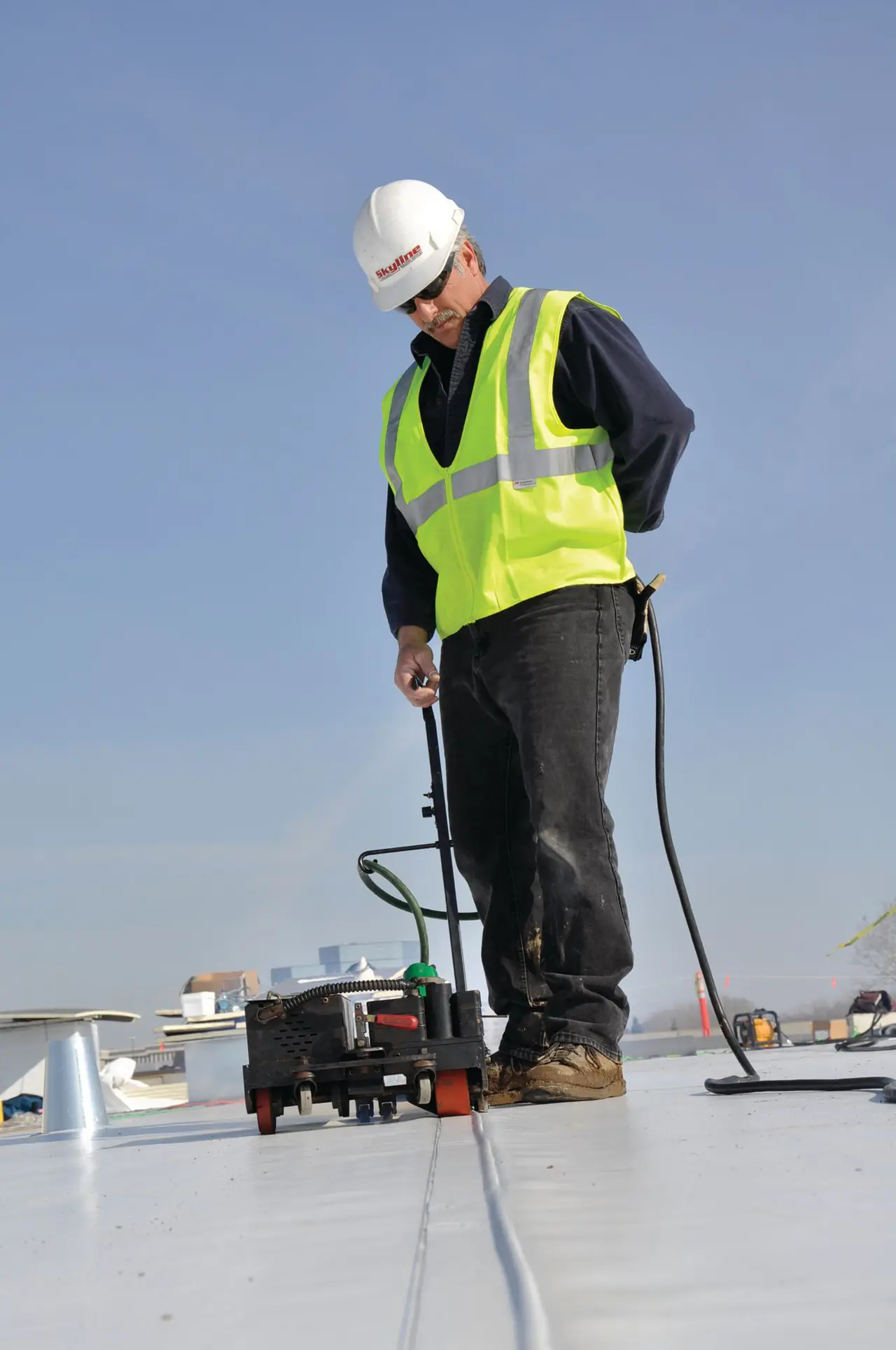
How the work is done
Keeping Your Business Running During the Project
A replacement is a big project on top of a working building. Planning is what keeps it from disrupting your business.
Before work starts, we plan the job with you around your hours and your people. Every roof is different, so the exact steps depend on what the inspection finds.
Inspect the roof
We walk the roof, check its condition, and talk with you about what you need from it.
Put it in writing
You get a written proposal with your options and the scope of the work.
Install it the right way
We follow the manufacturer's recommended installation guides and industry best practices on every job.
Questions
Replacement FAQs
How do I know my commercial roof needs to be replaced?
The clearest signs are widespread wet insulation, a deck that is soft, sagging, or rusted through, and a membrane that is failing across the whole roof rather than in a few spots. Frequent leaks in different places are another sign. A moisture check during the inspection tells us how much of the roof is wet, which is usually what decides it.
How long does a commercial roof replacement take?
It depends on the size of the roof, how many layers are coming off, how much deck repair is found, and the weather. Small roofs can take a few days, and large ones can take several weeks. Your proposal includes an expected schedule, and we keep you updated if weather or deck conditions change it.
Do you install roofs on new buildings?
Yes. We install roofs on new commercial construction and additions, working with the general contractor or the owner on the schedule, the roof system, and the details at walls, curbs, and drains.
Can my business stay open during a roof replacement?
In most cases, yes. We tear off and dry in one section at a time, plan noisy work and deliveries around your hours, and keep entrances and walkways protected. Some areas may need to be cleared below the work for a short time, and we'll plan that with you in advance.
Service area
Where We Offer Commercial Roof Replacement
We're based in Fort Plain, NY, and serve commercial buildings within about 100 miles, and farther when a job calls for it.
Related services
- TPO & PVC RoofingA new single-ply roof with heat-welded seams.
- Spray Foam RoofingA seamless layer of foam that follows every curb and edge, then a protective coating.
- Commercial Roof RestorationRenew a worn but sound roof in place and put off a full tear-off.
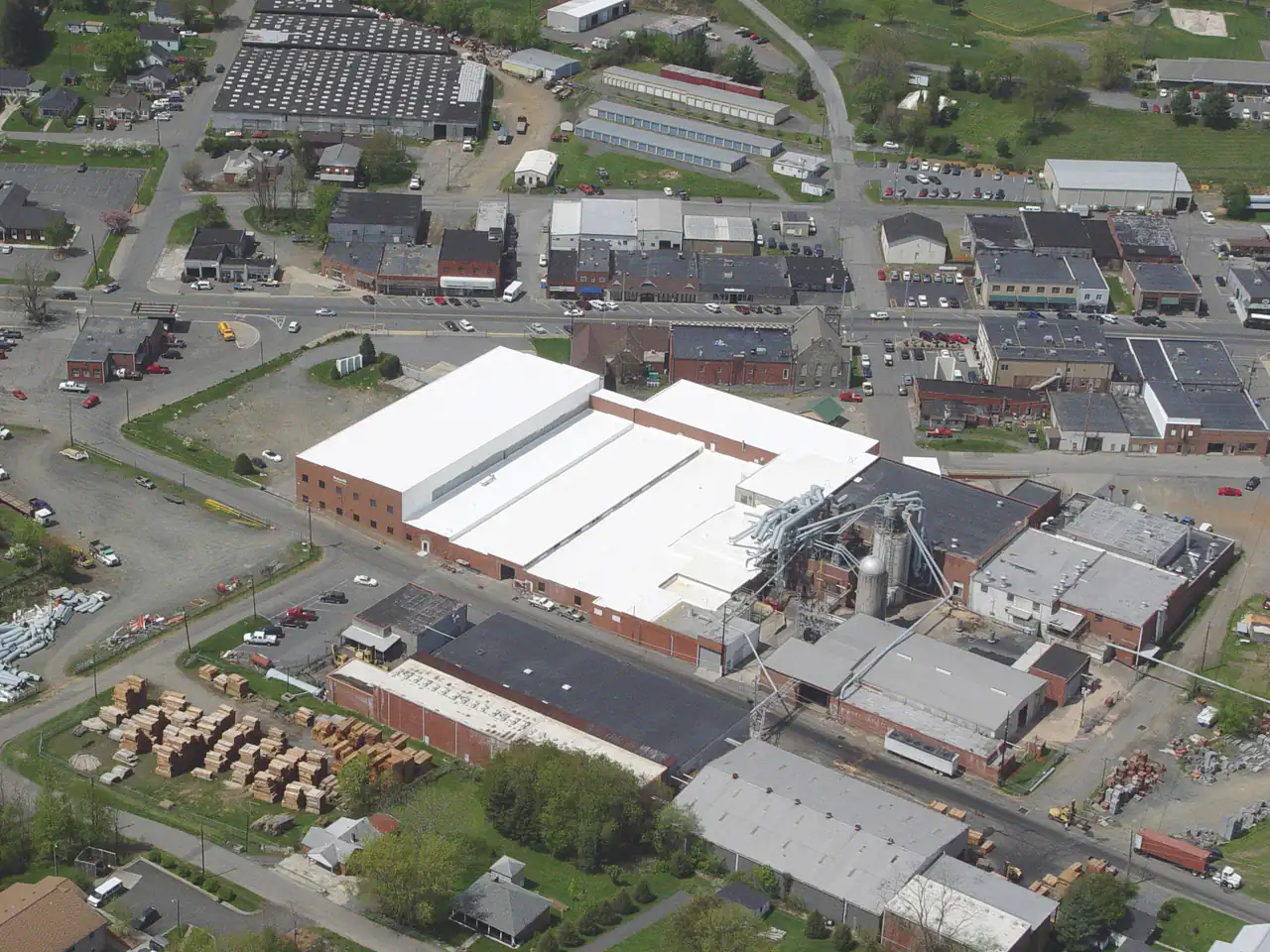
Your next step
Get a Replacement Proposal
We'll inspect your roof, count the layers, check the insulation for moisture, and tell you honestly whether it needs replacing. You'll get photos and a written proposal within 24 to 72 hours of the inspection.
Call or text (518) 612-0001. We respond within 24 to 48 hours.