
Commercial and Flat Roof Repair in the Mohawk Valley
Find the Real Leak. Fix It Once.
A leak that keeps coming back usually means the last repair was made in the wrong place. We trace the water to its source, fix the cause, and show you photos of what we found.
Free Roof Inspection
Tell Us About Your Building
No obligation. You get photos and a written proposal with your options.
Leak detection
Leak Detection: Finding the Real Source
The stain on the ceiling tells you where the water came out, not where it got in. Finding the entry point is most of the job.
Ephraim's approach starts with a simple step: ask the owner what problem they're seeing, then track it down. You know when the leak shows up, whether it follows heavy rain, wind from one direction, or snowmelt, and where the water appears inside. That information narrows the search before anyone climbs a ladder.
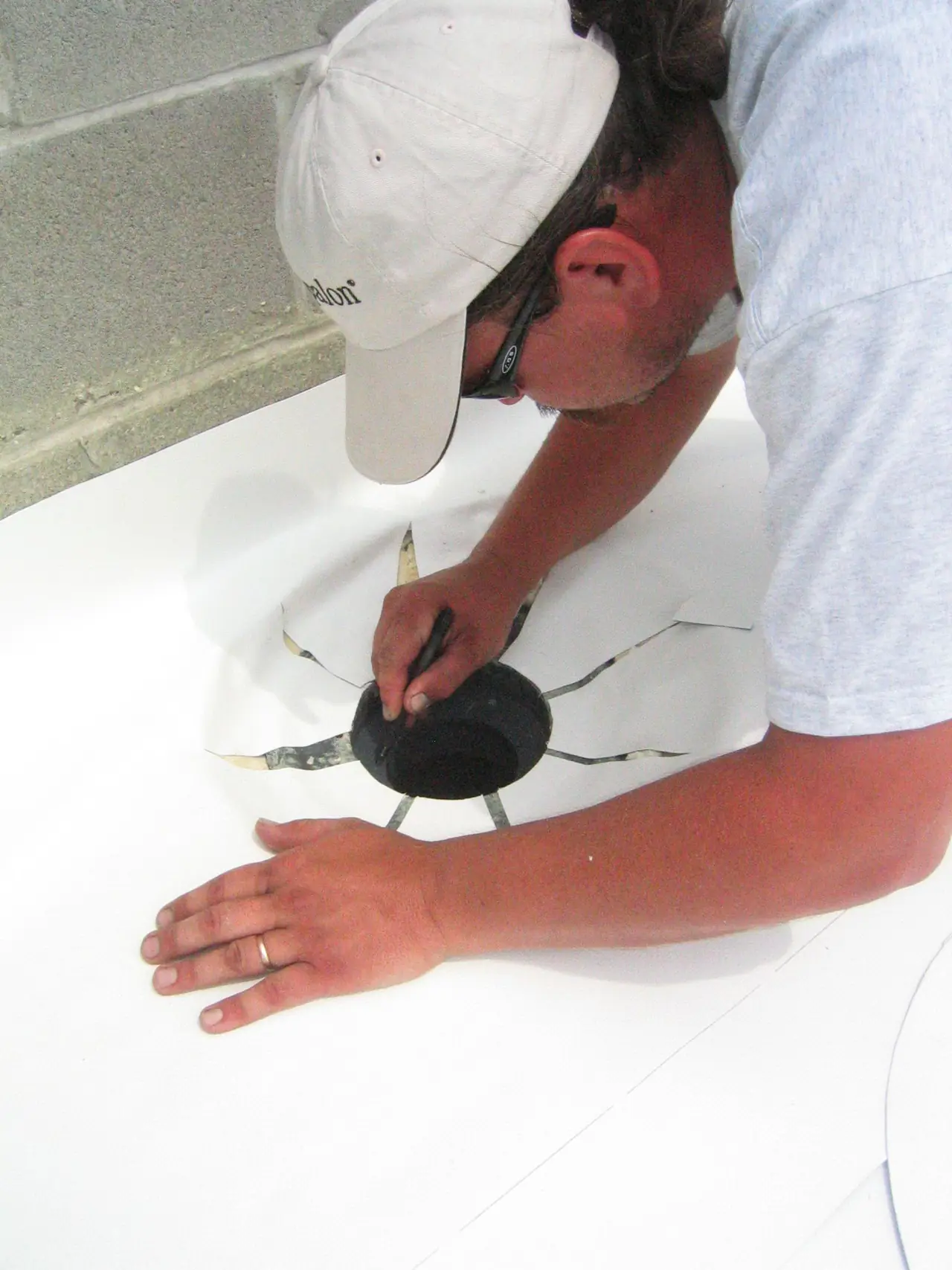
On the roof, we work outward from the area above the leak, looking at every seam, flashing, drain, and penetration that water could be getting through. Where the cause isn't obvious, we check the insulation for moisture to see how far the water has spread.
Hear what you're seeing
When the leak happens, where it shows up inside, and what has been tried before.
Look inside first
Where possible, we check the underside of the deck near the leak for staining, rust, or wet insulation.
Trace it on the roof
We inspect every possible entry point upslope of the leak and check for wet insulation.
Repair the cause
The repair is made with materials that match your roof, and wet sections are replaced, not covered.
What we work on
Flat Roof Repairs We Handle
We repair low-slope and flat roofs on warehouses, manufacturing plants, retail buildings, offices, restaurants, churches, and healthcare buildings, of any size.
Single-ply roofs
TPO, PVC, and EPDM membranes with split seams, punctures, shrinkage at the edges, or loose flashing.
Modified bitumen and built-up
Blisters, cracks, open laps, and worn areas on asphalt-based roofs, with or without gravel.
Metal roofs
Leaking fasteners, open laps, rust holes, and failed sealant at ridges, skylights, and flashings.
Coated and foam roofs
Worn or damaged coating, punctures in spray foam, and damage around rooftop equipment.
Where leaks start
Seams, Flashing, Drains and Penetrations
Open areas of a flat roof rarely leak. The trouble is almost always where the membrane joins something else.
- Seams. Where two sheets of membrane meet, the bond can fail with age, movement, or a poor original weld.
- Flashing. Where the roof turns up a wall, curb, or parapet, flashing pulls loose and lets water run behind it.
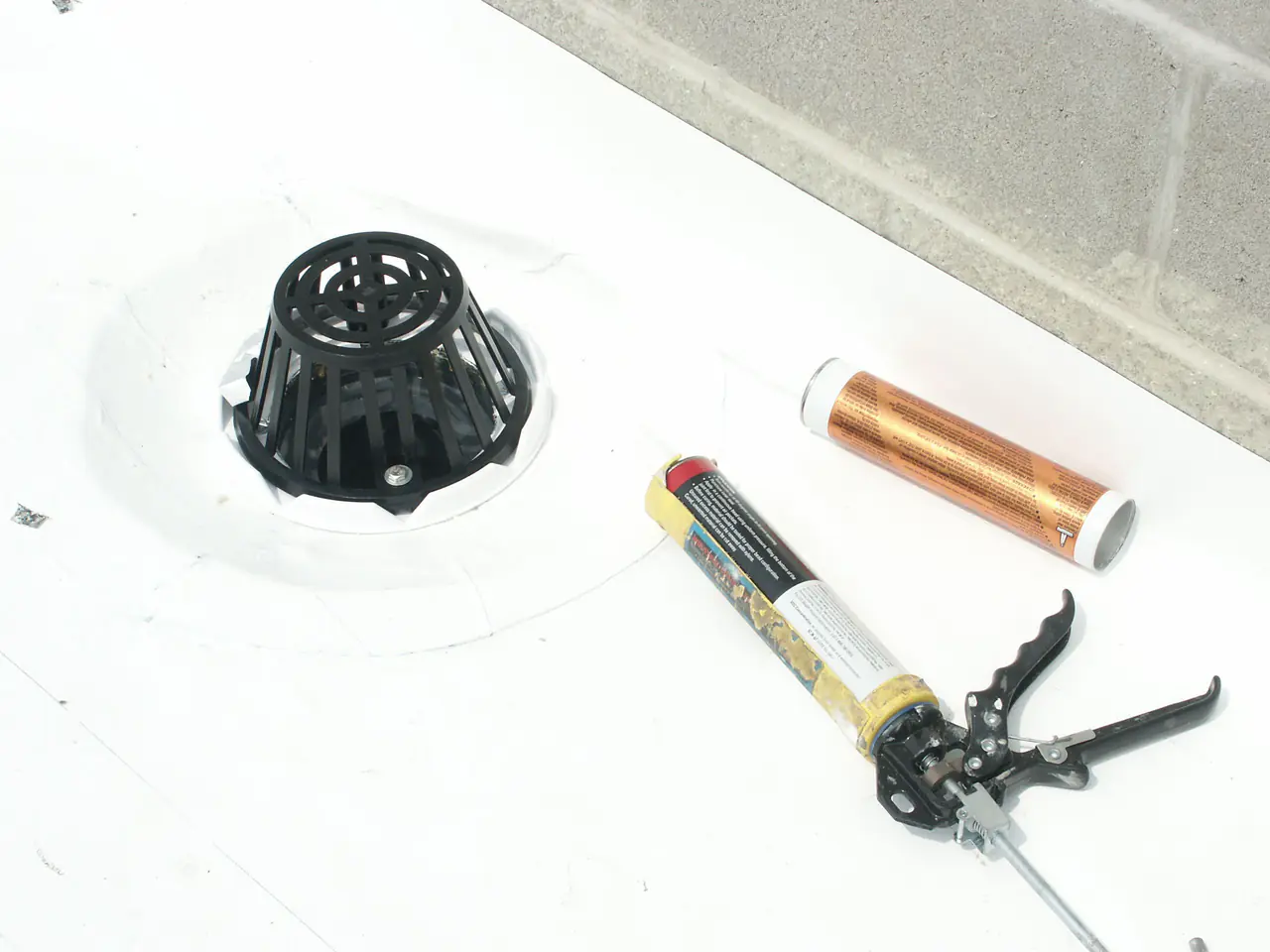
- Drains and scuppers. The clamping ring, the membrane around the drain, and the drain itself all have to be watertight, and debris that holds water there makes any weakness worse.
- Penetrations. Pipes, vents, conduit, and rooftop unit curbs each need their own flashing, and added equipment is often flashed poorly.
Repairs at these details are made to last: the area is cleaned down to sound material, and new membrane, flashing, or reinforced coating is installed rather than a layer of caulk.
Honest answers
Repair or Restore?
A repair is the right answer for a roof with a few problems. It isn't the right answer for a roof that is failing everywhere.
A repair makes sense when
- The leaks trace to one or a few specific details.
- The rest of the roof is dry and in reasonable shape.
- The roof has years of life left, and you want to protect it.
It's time to look at restoration when
- You're paying for repairs several times a year.
- Seams are failing across the roof, not just in one place.
- The surface is worn, chalking, or cracking everywhere.
If the second list sounds familiar, read how commercial roof restoration works. It is often a better use of your repair budget than patching the same roof again.
Response time
How Fast We Respond
We respond to repair calls within 24 to 48 hours, during our business hours of Monday to Friday, 7 AM to 5 PM. When you call, tell us if water is actively coming in, what it is reaching, and whether people or equipment are affected, so we can schedule the most urgent calls first.
We don't offer a 24-hour emergency service, and we won't promise one. What we do promise is a straight answer about when we can be there, and a repair that addresses the cause.
After the repair, you get photos and a short written summary, including anything else on the roof that is worth watching.
Questions
Repair FAQs
What's the best way to repair a flat roof?
Find the real source of the leak first, then repair it with materials that match the roof. A patch of the wrong material, or a smear of sealant over a seam that has pulled apart, usually fails within a season. On single-ply roofs, the right repair is new membrane welded in place. On other roofs, it is a properly bonded patch or reinforced coating. And if the insulation around the leak is wet, that section should be replaced, not covered.
Why does my roof leak in a different spot than the water coming through the ceiling?
Water that gets through the roof surface often travels along the deck, the insulation, or a beam before it finds a way down. It is common for the drip inside to be several feet, or even across the room, from where the water got in. That's why we trace the leak on the roof instead of patching the spot directly above the stain.
Do you offer 24-hour emergency roof repair?
No. We don't run a 24-hour emergency line. Our business hours are Monday to Friday, 7 AM to 5 PM, and we respond to repair calls within 24 to 48 hours. If water is coming in, call us during business hours and tell us so, and we'll do everything we can to get there quickly.
Is it worth repairing an old roof, or should I just replace it?
If the leaks are limited to a few areas and the rest of the roof is dry, a repair is usually worth it. If you're calling about new leaks every few months, or large parts of the roof are wet, repeated repairs start to cost more than a lasting fix. We'll tell you which situation you're in, and if the roof is a candidate, restoration is often a middle path between patching and replacing.
Service area
Where We Offer Commercial Roof Repair
We're based in Fort Plain, NY, and serve commercial buildings within about 100 miles, and farther when a job calls for it.
Related services
- Commercial Roof RestorationRenew a worn but sound roof in place and put off a full tear-off.
- Storm & Hail DamageRepairs after wind, hail, or snow load, with photo documentation for your insurer.
- Commercial Gutters & DrainageMove water off the roof and away from the building before it causes damage.
Your next step
Report a Leak
Tell us where the water is showing up and when. We'll trace the leak, explain what is causing it, and give you a written proposal for the repair within 24 to 72 hours of the inspection.
Call or text (518) 612-0001. We respond within 24 to 48 hours.