
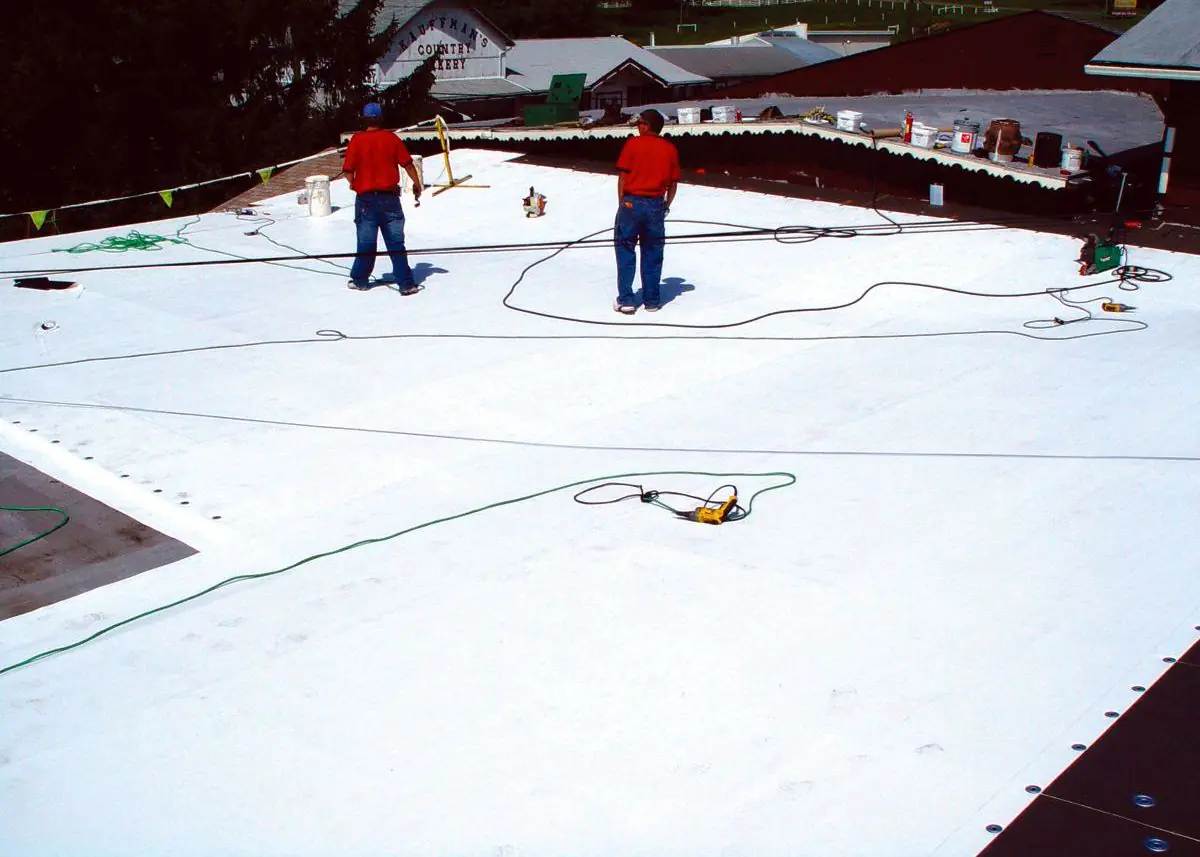
Commercial Roof Coatings in Utica and the Mohawk Valley
Seal an Aging Roof Without Tearing It Off.
A flat or metal roof that leaks at the seams, chalks, or rusts doesn't always need to come off. A Conklin acrylic coating, applied by a certified crew, seals the surface in one seamless layer.
Free Roof Inspection
Tell Us About Your Building
No obligation. You get photos and a written proposal with your options.
The basics
What a Roof Coating Does for a Commercial Building
A roof coating is a thick liquid membrane that is rolled or sprayed onto an existing roof and cures into a continuous, rubber-like surface.
Most commercial roof leaks start at the joints: membrane seams that have pulled apart, flashing that has lifted, and fasteners that have backed out. A coating covers those joints with one unbroken layer, so there are far fewer places for water to get in.
- Seal seams, laps, and small cracks across the whole roof in one layer.
- Protect the existing roof from the sun, which is what breaks most membranes down over time.
- Keep the building open, because the work happens on top of the roof you already have.
- Avoid the cost, noise, and landfill waste of a full tear-off when the roof underneath is still sound.
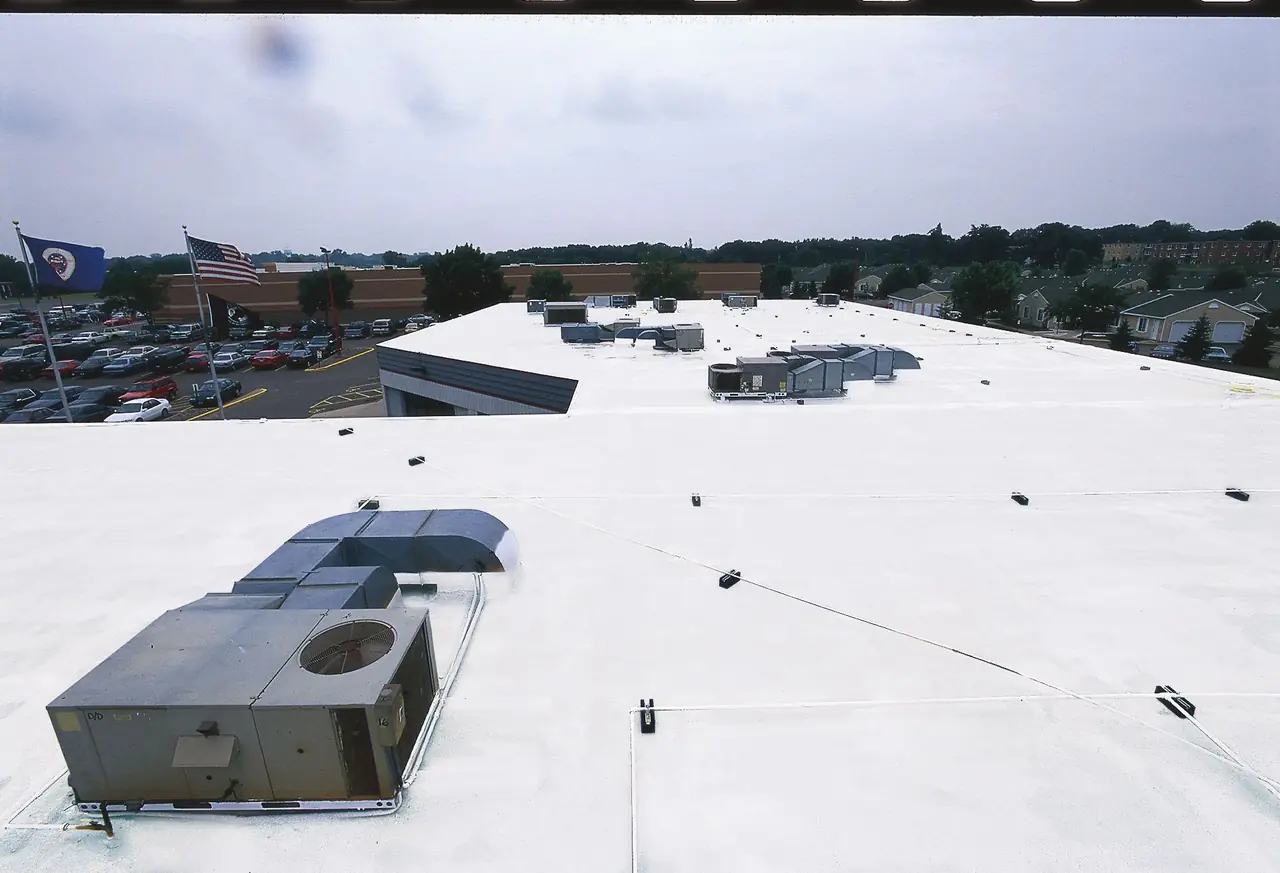
White coatings also reflect much of the sun's heat back off the roof instead of letting the surface absorb it.
Reflective roof coatings may help reduce cooling costs. Actual savings depend on the building, climate, and existing roof.
Manufacturer certified
The Conklin Acrylic Coating System We Install
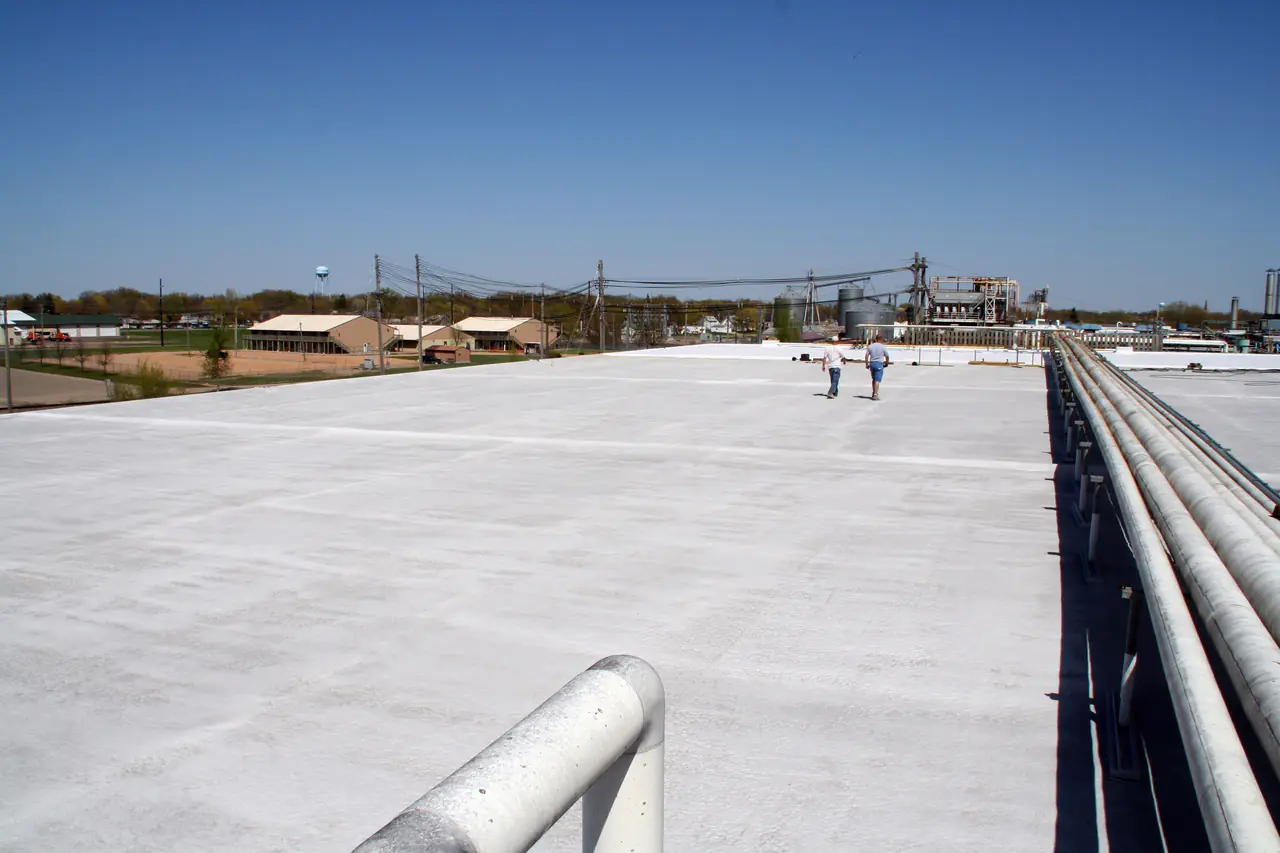
Shield Roofs is trained and certified by Conklin Roofing Systems, and acrylic coatings from Conklin are the coating systems we install. Acrylic is a water-based coating that cures as the water evaporates. It stays flexible through hot summers and cold winters, holds up well to the sun, and is easy to clean and recoat when the time comes.
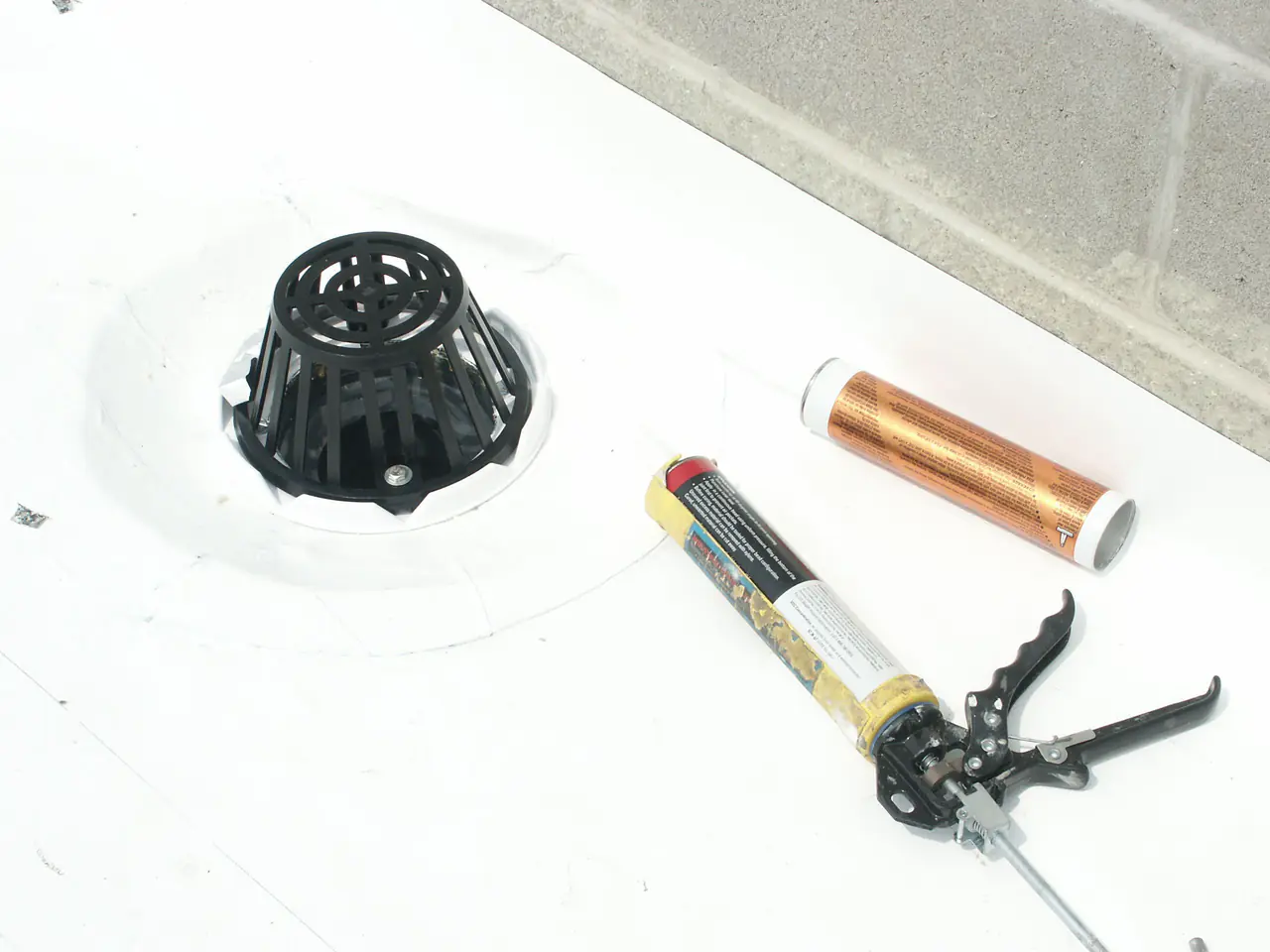
A coating system is more than the coating in the bucket. Depending on the roof, it includes the cleaners, primers, seam sealers, and reinforcing fabric that go down first, applied in the order and at the thickness the manufacturer specifies. That's why certification matters: the training covers how each part of the system is prepared and applied.
Where acrylic fits best
- Metal roofs on warehouses, shops, and agricultural or industrial buildings.
- Single-ply, modified bitumen, and built-up roofs that drain well.
- Spray foam roofs, which need a protective coating on top.
- Roofs where water clears within a day or two after rain.
Acrylic is not the right product for a roof that holds standing water for days at a time. In those cases we fix the drainage first or recommend a different solution, and we'll explain why.
Honest answers
Roofs That Can Be Coated (and When They Can't)
A coating protects the roof it goes on. It can't fix a roof that has already failed underneath.
A coating is usually a good fit when
- The roof deck is solid and the roof feels firm underfoot.
- Most of the insulation is dry, with wet areas limited to sections that can be cut out and replaced.
- The problems are at seams, flashing, fasteners, and penetrations, not across the whole roof.
- The roof drains, or the drainage can be corrected as part of the job.
A coating is the wrong choice when
- Large areas of insulation are soaked, or the deck is rotting or rusted through.
- The membrane is shrinking, splitting, or pulling away from the edges across the roof.
- The roof already has the maximum number of layers allowed, and problems are hidden underneath.
- You need a full tear-off for another reason, such as a structural repair or a new rooftop unit layout.
If you're weighing a coating against other options, our page on commercial roof restoration explains how we decide between restoring, recovering, and replacing a roof.
Before any coating goes on
Moisture Check Before We Coat
A coating seals in whatever is underneath it. If wet insulation gets coated over, the water stays trapped, the insulation keeps breaking down, and the new coating can blister and peel. Coating over a wet roof is one of the most common reasons coatings fail early.
So before we recommend a coating, we check the roof for trapped moisture as part of the inspection. Any wet areas are shown in your proposal and replaced before the coating goes on.
How the work is done
How We Apply a Coating
Every roof is different, so the exact steps depend on what the inspection finds.
Inspect the roof
We walk the roof, check its condition, and talk with you about what you need from it.
Put it in writing
You get a written proposal with your options and the scope of the work.
Install it the right way
We follow Conklin's recommended installation guides and industry best practices on every job.
After the job
Keeping a Coated Roof in Shape
A coated roof still needs attention, but much less of it than a roof that is being patched every season.
Plan on a walk of the roof once or twice a year and after any major storm. The things to look for are simple: debris around drains, damage from foot traffic around rooftop equipment, and any spot where the coating has been cut or scraped. Small areas can be cleaned and touched up with the same coating.
Many owners pair a coating with one of our roof maintenance programs, so those checks happen on a schedule and nothing is missed. Over the years, when the top coat wears thin, the roof can usually be cleaned and recoated instead of replaced.
Depending on the system and thickness, a coating can come with up to a 20-year material warranty backed by Conklin Roofing Systems, with maintenance plans available. Keeping up with maintenance is often part of keeping a warranty in good standing.
Warranty terms vary by system and project; ask for details.
Questions
Coating FAQs
How much does a commercial roof coating cost?
The price depends on the size of the roof, how much cleaning and repair it needs first, how many wet areas have to be replaced, how thick the coating is applied, and the warranty term you choose. Because preparation varies so much from roof to roof, we don't publish a per-square-foot price. Your free inspection gives you real numbers for your building, in writing.
How long does a commercial roof coating last?
It depends on the coating thickness, the condition of the roof underneath, how much foot traffic the roof gets, and how well it is maintained. One advantage of a coating is that, when it wears, it can usually be cleaned and recoated rather than torn off.
A restoration coating can extend the service life of a sound roof. Results depend on the roof's condition, the system used, and maintenance.
Do you install silicone roof coatings?
No. Shield Roofs installs Conklin acrylic coating systems and does not offer silicone coatings. If your roof has an existing silicone coating, tell us when you call, because it affects what can be applied over it.
Can you coat a roof in the winter?
No. An acrylic coating needs a clean, dry surface and temperatures above the manufacturer's minimum while it cures, so in Upstate New York we schedule coating work for the warmer months. A fall or winter inspection is still useful, because it gives you time to plan the work and the budget before the season opens.
What warranty comes with a coating?
Depending on the system and the thickness applied, a Conklin coating can come with up to a 20-year material warranty backed by Conklin Roofing Systems, with maintenance plans available.
Warranty terms vary by system and project; ask for details.
Service area
Where We Offer Commercial Roof Coatings
We're based in Fort Plain, NY, and serve commercial buildings within about 100 miles, and farther when a job calls for it.
Related services
- Commercial Roof RestorationRenew a worn but sound roof in place and put off a full tear-off.
- Metal Roof RestorationSeams and fasteners sealed and the panels coated, without re-sheeting the roof.
- Roof Inspection & MaintenanceScheduled checks that catch small problems before they become leaks.
Your next step
Schedule a Free Roof Inspection
Tell us about your roof, and we'll check whether it can be coated. You'll get photos and a written proposal within 24 to 72 hours of the inspection.
Call or text (518) 612-0001. We respond within 24 to 48 hours.